


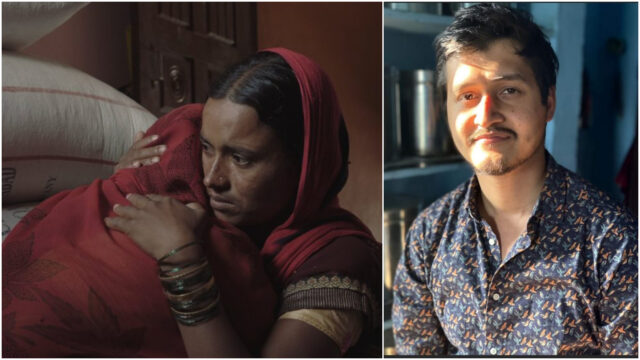
Recently, the Maharashtra Legislative Assembly and Council passed the ‘Women Farmers Empowerment Bill’, under which women engaged in agriculture will be granted ‘Woman Farmer Certificates’, irrespective of land ownership. Although a promising development, the fact that India still sees between 10,000 and 11,000 farmers and agricultural labourers dying by suicide every year, leaving behind their wives grappling with the burden of debt, poverty and social discrimination is heartwrenching to say the least. Writer-director Kinshuk Surjan’s award-winning Marathi documentary, Marching in the Dark, traces the journey of one such woman, whose distraught farmer-husband took his life when she was visiting her parents. Thrust into widowhood, this young mother struggles to come to terms with the severe psychological, economic and social perils that a woman faces in rural India after the death of her husband.
Years later, Sanjivani Bhure leads a strange half life with her two kids at her in-laws. She almost always wears a desolate look, yet barely expresses her grief and anxiety. Unkempt, her lips chapped and cheeks sunken, Sanjivani tills and sows on the farm, while picking up side jobs at the village dispensary and stitching neighbours’ clothes at home. In the backdrop, her father- and brother-in-law, along with scores of other onion growers in the state, once again take a beating as market rates for their crop remain volatile. Meanwhile, poor silk cocoon yields indicate toward more piled-up debt and uncertainty.
That said, Marching in the Dark – a Clin d’Oeil Films presentation – is not all about painting a grim picture. Instead, the narrative spotlights the determination and fortitude of those invisible women who may have lost their husbands to agricultural crises, but not given up on life. In their element, some of them even criticise their dead husband. They are of the opinion that choosing suicide, when you have little children at home to take care of, reflects irresponsibility – an act of cowardice and escapism. Debts and loans can be repaid sooner or later, but human life is a lot more valuable. They believe that women have always exhibited more strength and emotional resilience to combat hardships in life.
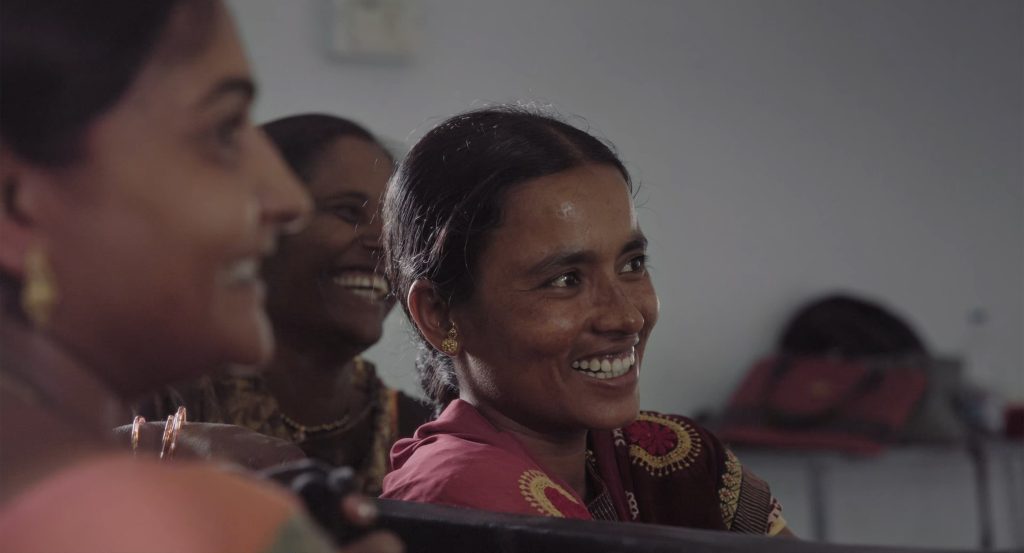
These thoughts and exchanges form the core of discourse at a local widows-only support group that Sanjivani frequents. Here, women from different age groups huddle not only to offer each other a shoulder to cry on, but help reclaim their resilience, peace and purpose in life. They refuse to succumb to impoverishment and make consistent strides to better the lives of their children and themselves.
Unabashed by her brother-in-law’s taunts, questioning the benefit of getting formal education for a widow, Sanjivani marches on her journey of transformation. For her, being able to buy her daughter a new school bag was more important than having to explain why she chooses to burn the midnight oil. Healing, for her, is not limited to overcoming grief. Rather than dwelling on pain, she’s more focussed on opportunity, self-reliance and sustenance.
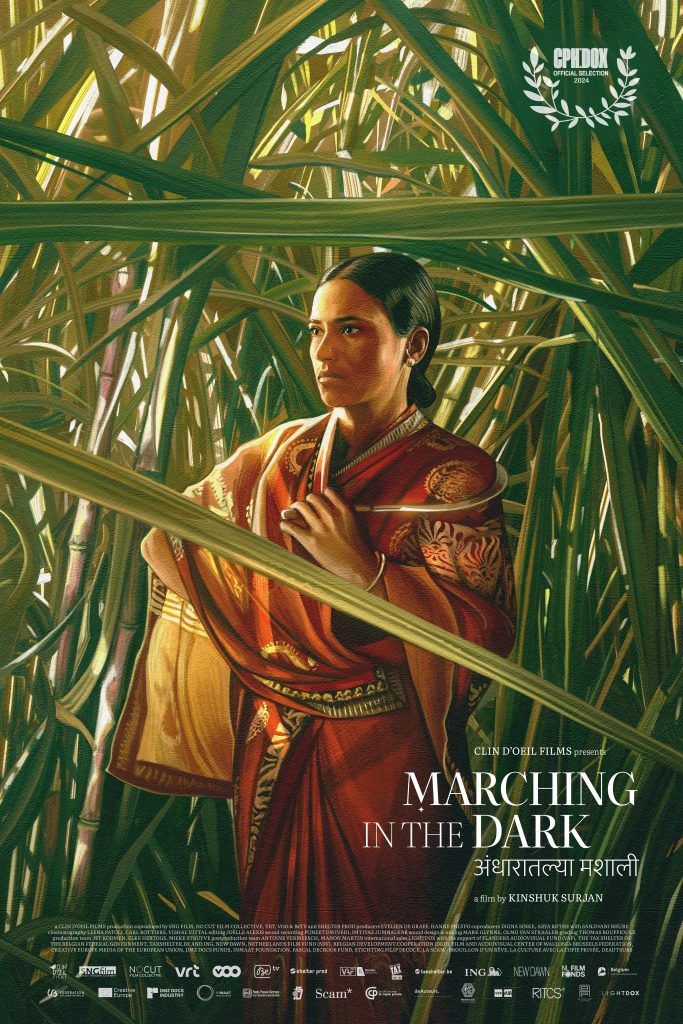
Kinshuk Surjan documents an extraordinary tale of resolve and perseverance on a sombre landscape. Dotted with elements of silence, hope and community empowerment, Marching in the Dark is equal parts eye-opening and uplifting. Masterfully edited by Joëlle Alexis, the docu-fiction centres on Sanjivani’s unflinching tenacity, while also patiently touching upon the lives of several women like her. Leena Patoli, Carl Rottiers and Vishal Vittal’s thoughtfully done camerawork is at once impressionistic and raw, while its colour palette adds to the character of the film. Sound design by Mark Glynne and Olmo van Straalen also deserves a special mention here.
In the end, the questions raised in the film remain pertinent: Who actually bears the brunt of farmer suicides in India? Is it enough to just tell stories of misery and loneliness that the farm widows face? If the custom that widows shouldn’t step out of the house during Sankranti is strictly followed, why can’t we also make some room to celebrate women who have navigated adversities to reclaim their agency and lead a life of dignity?